
Structural Biology and Structure-Based drug discovery services
Our cutting-edge technology platform and extensive experience in structural biology and structure-based drug discovery will significantly accelerate your discovery project.
Your Trusted Partner in Structural Biology & Structure-Based Drug Discovery
SARomics Biostructures provides structural biology and structure-based drug discovery services to the biotech industry, large pharmaceutical companies, and academic groups. The company was established in 2006 as a research-focused contract research organization (CRO) by scientists with extensive experience in structural biology and structure-based drug design. It rapidly gained recognition as a leading service provider across North and South America, Asia, Europe, Scandinavia, and Australia. Our comprehensive range of outsourcing services is backed by a state-of-the-art technology platform that ensures the success of your project.
An overview of our services is provided below.

MAX IV Laboratory in Lund, home to the BioMax beamline, is one of the world’s best synchrotron radiation facilities, located just a few kilometers from our labs at Medicon Village.
Discover how SARomics Biostructures’ Services can benefit you
Explore our extensive services in structural biology and structure-based drug discovery

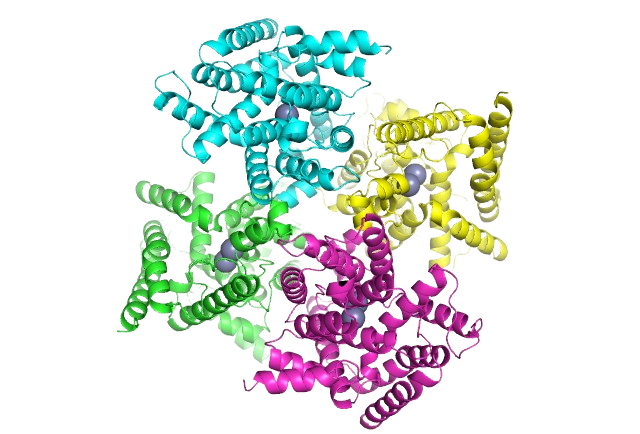
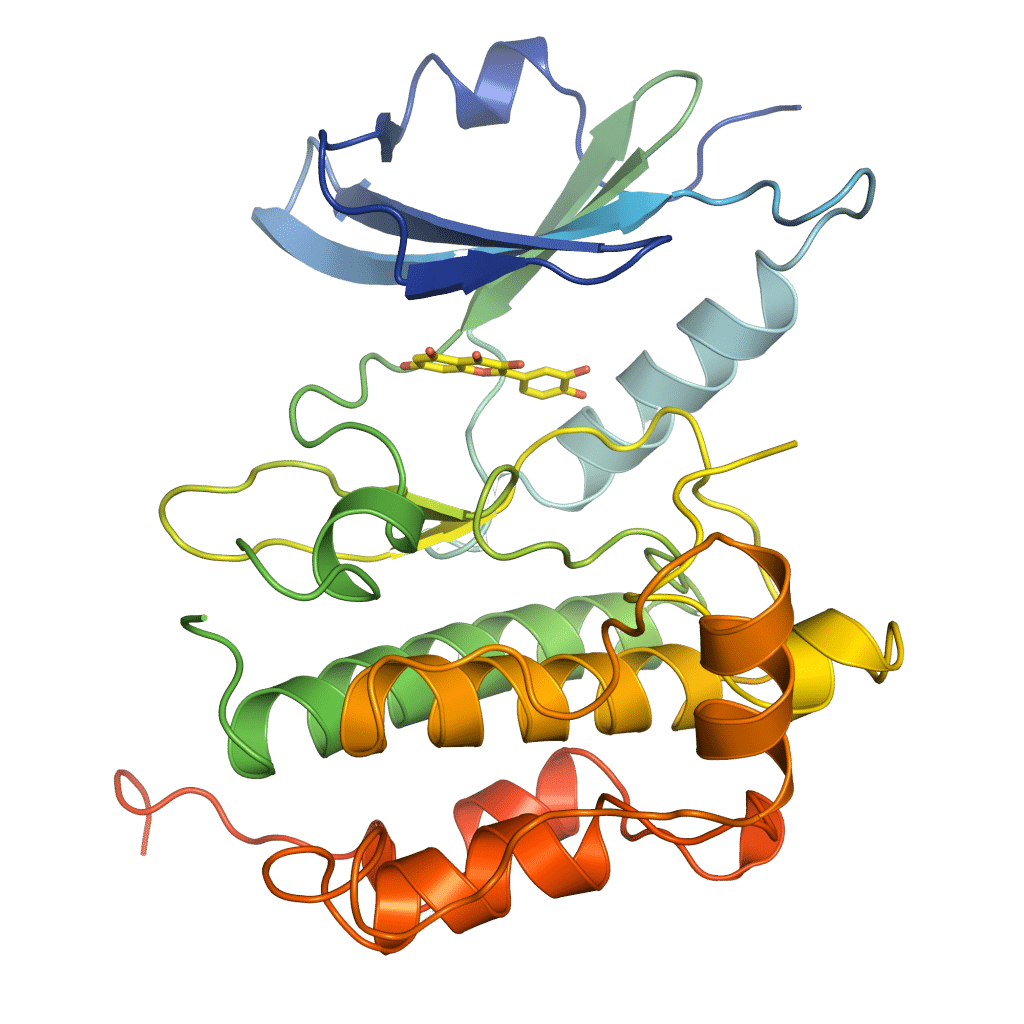
X-ray crystallography has played a crucial role in advancing our understanding of structural biology, including protein structure and function, drug discovery and development of new drugs. Our high-throughput X-ray crystallography services pipeline is based on our FastLane™ Premium and FastLane™ Standard libraries, and it offers over 500 verified drug targets that are ready to be crystallized with your chosen ligand (FastLane™ Premium) or expressed, purified, and crystallized according to verified protocols (FastLane™ Standard) with a turnaround time of a few weeks. We use in-house expression systems in our gene-to-structure pipeline. Our proximity to the BioMax X-ray beamline at the MAX IV synchrotron laboratory in Lund provides considerable flexibility in beamline access and X-ray data collection, thus enabling rapid structure elucidation services. Please view our knowledge center for details of our crystallization and crystallography workflow. For examples of projects we have contributed to, please visit our publications page.

NMR spectroscopy has become a central tool in structural biology and structure-based drug discovery thanks to advancements in NMR instrumentation over the past few decades. It is beneficial for determining the structure of small flexible proteins and peptides and exploring protein-ligand interactions. Our access to high-quality, state-of-the-art NMR spectroscopy instrumentation allows us to offer comprehensive peptide and protein NMR spectroscopy (BioNMR) services for protein structure determination and fragment screening. Below is a list of our service packages, which can be tailored to the specific needs of any project.
- Peptide NMR & protein NMR assignment, secondary structure assessment
- Peptide NMR & protein NMR structure determination
- Protein-ligand & protein-protein complex structure determination
- Fragment screening using 1D or 2D NMR spectroscopy
- Epitope mapping and dissociation constant (Kd) determinations for compounds
- Higher order structure (HOS) comparability analysis of biosimilars, formulation characterization and optimization
- Expression and purification of 2H, 15N, and 13C-labelled protein in E.coli for NMR spectroscopy studies and structure determination

The contribution of structural biology to our understanding of the basic principles of antibody structure and function and the discovery and development of new biological drugs cannot be overestimated. SARomics Biostructures has built up a team with a high level of experience and expertise in analyzing monoclonal antibodies, antibody-antigen complex structures, and comparability analysis of biosimilars using X-ray crystallography and NMR spectroscopy. Our services for studying the structural characteristics and comparability of biosimilars’ higher-order structure (HOS) use 13C-natural abundance 2D-NMR spectroscopy and are fast and cost-efficient (see our blog article on NMR in comparability studies). Our monoclonal antibody structure services can assist with the following:
- Epitope definition to file stronger IP
- Understanding the mode of action
- Structure-based antibody engineering: affinity maturation, humanization, antibody-drug conjugates (ADC), etc.
- Structural characterization of protein drugs for regulatory purposes

SARomics Biostructures, in collaboration with our partner, Read Glead Discovery, runs a structure-based drug discovery platform. This platform enables fragment screening, hit validation, and lead generation for various protein targets. At the platform’s core is our proprietary weak affinity chromatography (WAC™), a cost-efficient, high-throughput technique for fragment screening and fragment-based drug discovery. Over the past seven years, we have gained extensive experience creating high-quality starting points for structure-based hit-to-lead optimization programs (see our blog post on WAC™). We focus on driving the project through lead optimization to candidate drug generation. Advantages of the WAC™ technique include:
- Robust and accurate (validated against NMR spectroscopy and X-ray crystallography)
- Quick set-up and workflow (3 weeks turnaround)
- High throughput (>5000 cmpds/week)
- Low material consumption (<5 mg protein)
- Find mM hits by screening fragments at low concentrations (1-5 μM)
- Hit rates from 1% to 20% (avg 6%)
Please visit our methods and knowledge center for a discussion of different strategies in structure-based drug design.
Crystallization-Grade Recombinant Proteins For Research And Analytic Purposes
Our comprehensive catalog features high-purity, crystallization-grade drug-target recombinant proteins meticulously expressed and purified to the highest standards in our cutting-edge protein lab. These proteins have undergone rigorous characterization using biophysical methods, and their suitability for crystallization has been unequivocally validated.


Make sure not to miss our featured blog posts!

This article discusses weak chromatography (WAC™), the proprietary fragment screening technique jointly owned by SARomics Biostructures and Red Glead Discovery.

This article discusses some representative projects and company business development activities from 2023.